
n 1963, Clive Bacon designed a linking and stacking chair that neatly captures the decade’s appetite for flexibility, order, and modern living. That spirit shaped vintage furniture throughout the 1960s, when living rooms became more relaxed, more modular, and more open to bold colour and new forms.
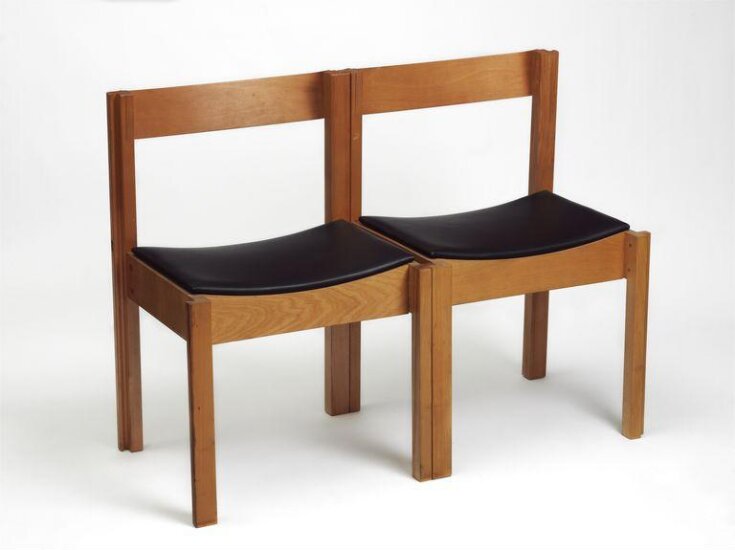
Linking/stacking chair by Bacon, Clive, 1963. Victoria and Albert Museum.
Why 1960s vintage furniture still feels modern
The mid-1960s were years of adjustment inside the home as much as on the street. Seating was expected to move, stack, link, or adapt to changing needs, and storage was asked to do more than simply disappear into the wall. Bacon’s 1963 chair is one clear example of that shift, because its very premise was practical modernity: furniture that could be combined and rearranged rather than fixed in place.
Moreover, the decade’s best interiors balanced utility with personality. A living room was no longer just a formal parlour for special occasions; it was a space for conversation, television, records, children, and informal entertaining. That helps explain why pieces from the period often feel light on their feet, even when their lines are assertive.
“Research step failed — writing from general knowledge.” — Research Dossier, 2026
Even with that limitation, the surviving objects point to a vivid design language. A 1963 chair by Grete Jalk for the Victoria and Albert Museum’s collections shows how the era could combine sculptural clarity with domestic ease, while still reading as elegant rather than severe. The 1960s did not abandon comfort; they simply gave it a cleaner outline.
Designers who defined the room
Among the most useful names to anchor the decade are Bacon, Jalk, Max Clendinning, and Adrian Haigh. Each is represented here by an object made between 1963 and 1965, and together those dates matter. They sit at the heart of the decade, when experimentation in form, storage, and lifestyle had moved beyond early postwar restraint into something more playful and self-assured.
Jalk’s 1963 chair suggests one side of the story: refined seating with a strong silhouette and an emphasis on proportion. By contrast, Clendinning’s 1965 cupboard points toward the increasing importance of storage as a design statement in its own right. Case pieces in the 1960s were not just background architecture; they helped organise the room and announce its taste.
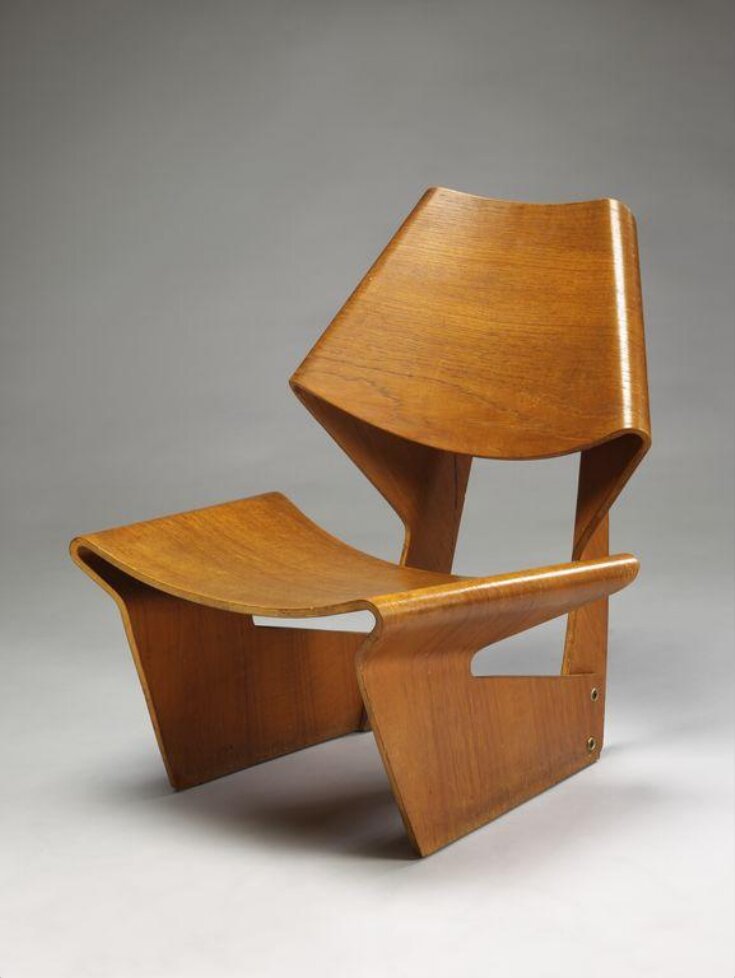
Chair by Jalk, Grete, 1963. Victoria and Albert Museum.
What sets Haigh apart is the way his 1964 Rocker for Little Mods widens the picture. The title alone places the object squarely within the culture of the decade, where youth style, pop energy, and a new informality reached into domestic design. Even children’s furniture could now carry the attitude of the age rather than mimic adult tradition in miniature.
From formal suites to adaptable pieces
Earlier living rooms often relied on matching sets and a fixed hierarchy of use. The 1960s pushed against that model. A stacking chair, a striking cupboard, and a rocker made for young “mods” all suggest a home arranged around changing habits, personal identity, and selective mixing rather than strict conformity.
Beyond this, the designers represented by these museum objects reveal how broad the category of vintage furniture really is. It includes dining and living room seating, certainly, but also imaginative storage and youth-oriented designs that brought the decade’s cultural shorthand indoors. That breadth is one reason collectors still return to the period with such enthusiasm.
How 1960s living rooms were decorated
The editor’s brief asks about colour, atmosphere, and the must-have pieces of the room, and the surviving designs offer useful clues. Storage was prominent, seating was varied, and the room was increasingly zoned by use rather than furnished as a single formal block. In practical terms, that means a cupboard such as Clendinning’s 1965 example would have mattered as much to the room’s look as any armchair.
A well-composed 1960s living room likely mixed statement seating with adaptable occasional pieces and strong cabinetry. Bacon’s linking and stacking chair speaks to the decade’s interest in layouts that could expand for guests or contract for everyday life. Jalk’s chair, meanwhile, reminds us that modern rooms still needed one beautifully resolved object to anchor the eye.
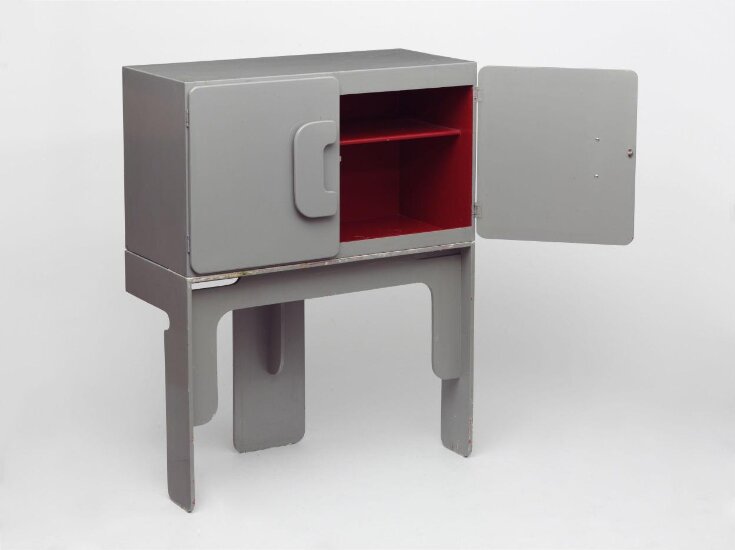
Cupboard by Clendinning, Max, 1965. Victoria and Albert Museum.
For families, the presence of Haigh’s 1964 rocker underlines another truth: the room was becoming more democratic. Children were not always pushed to the margins of design culture. Their furniture could participate in the same visual world as the adults’, sharing the era’s appetite for smart shapes and contemporary identity.
If one piece was a must, it was probably not a single item but a type: flexible seating paired with purposeful storage. That pairing answered the decade’s changing rhythms. It also explains why 1960s vintage furniture remains so attractive now, when many collectors want rooms that look composed without feeling rigid.
What to look for when collecting vintage furniture
Collectors are often tempted by the most dramatic profile first, yet the better approach is to study how an object solves a domestic problem. Does it stack, link, rock, store, or define a zone in the room? Those functions are central to the examples here, and they offer a practical way into the market that goes beyond surface nostalgia.
For reference, it is worth spending time with museum holdings such as the V&A’s 1963 linking/stacking chair by Clive Bacon. Institutional collections help place a piece within a precise year, named designer, and documented type. That kind of grounding is invaluable when the broader category is often discussed too loosely.
- ◆Look for clear dates: the 1963 to 1965 range here sits at a strong mid-decade moment.
- ◆Prioritise named designers such as Bacon, Jalk, Clendinning, and Haigh when provenance matters.
- ◆Notice adaptable functions, especially stacking, linking, rocking, or multi-use storage.
- ◆Consider whether a piece suits living room informality rather than only formal display.
By contrast, buying only by trend can flatten the decade into a cliché. The real pleasure of collecting lies in understanding why one chair was made to connect to another, or why a cupboard became visually assertive in 1965. Vintage furniture from the 1960s rewards that closer reading because its forms were tied to changing behaviour inside the home.
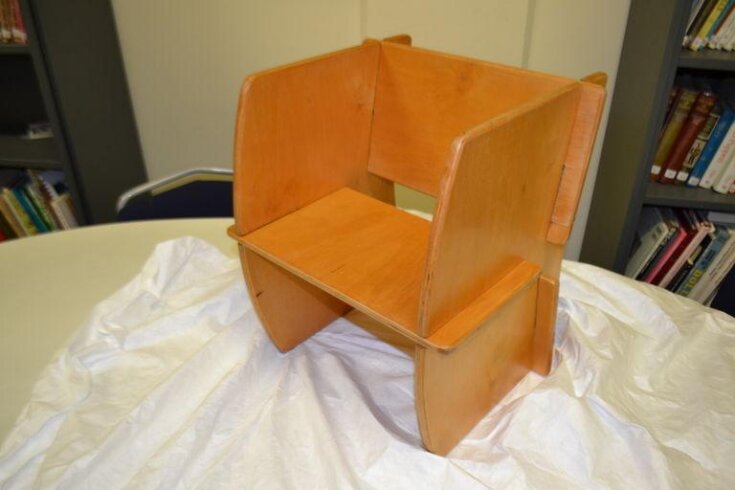
Rocker for Little Mods by Haigh, Adrian, 1964. Victoria and Albert Museum.
Seen together, these four objects sketch a decade that prized movement, personality, and intelligent use of space. They suggest a living room with bold intent: chairs that could adapt, storage that held its own, and even children’s pieces that felt current. For anyone furnishing with vintage furniture today, that is the lesson worth keeping — buy the pieces that still know how to live.
✦ ✦ ✦
Museum object images are reproduced for editorial and educational purposes. All rights remain with the originating institutions.



Leave a Comment